
Condo vs Townhome in Jacksonville: Which Fits Your Lifestyle?
When shopping for a home in Northeast Florida, low-maintenance options frequently top the list. Between busy schedules, spending weekends at Jacksonville Beach, and managing home maintenance in Florida’s coastal climate, spending Saturdays mowing lawns or cleaning gutters isn't ideal.
That is where low-maintenance living comes in. However, when exploring non-single-family homes across Duval County, you will quickly find that condos and townhomes are used interchangeably, even though they represent distinct real estate options.
Whether you are looking for a condo on the Intracoastal or a multi-story townhome near the St. Johns Town Center, this breakdown will help you weigh your options and find the right fit for your budget and lifestyle.
What Condos and Townhomes Have in Common
Before diving into the differences, it helps to understand why these two property types often get lumped together.
-
Shared Walls: Both property types attach directly to neighboring units, meaning you will share at least one wall with a neighbor.
-
Homeowners Associations (HOAs): Both condos and townhomes feature an HOA that enforces community rules, handles common area maintenance, and collects monthly or quarterly dues.
-
Low-Maintenance Lifestyle: Neither option requires you to spend your weekends maintaining extensive lawns or exterior landscaping; the association manages ground care for the community.
-
Shared Amenities: Depending on the development, both property types frequently offer neighborhood perks such as community pools, fitness centers, gated entries, or dog parks.
Key Differences: Condo vs. Townhome
While they share similar lifestyle perks, the legal ownership structure and daily responsibilities vary significantly between condos and townhomes.
| Feature | Condominium (Condo) | Townhome |
| Legal Ownership | You own the interior space (airspace) within the unit's walls. The building exterior and land are owned collectively by all unit owners. | You own the interior, exterior walls, roof, and the land directly beneath the unit. |
| Structure Type | Typically single-level units stacked vertically inside a multi-story building or high-rise complex. | Multi-level units (usually 2 to 3 stories) attached side-by-side with shared party walls. |
| HOA Responsibilities | Covers overall building structural integrity, roofs, siding, common elements, pool/gym, and building insurance. | Covers shared grounds, common facilities, and sometimes exterior paint or roof reserves (varies by community). |
| Owner Maintenance | Limited strictly to interior repairs, appliances, flooring, and interior plumbing/electrical. | Interior repairs plus potential exterior upkeep (e.g., private patio, driveways, or roof depending on HOA covenants). |
| Financing & Loans | Requires condo-specific underwriting approval (warrantability, HOA reserve funds, master insurance policy checks). | Financed much like traditional single-family homes (standard FHA, VA, and conventional loans apply smoothly). |
Pros & Cons Breakdown
Condominiums
Pros:
-
Maximum Maintenance Relief: You are almost never responsible for roof repairs, exterior painting, or exterior structural fixes.
-
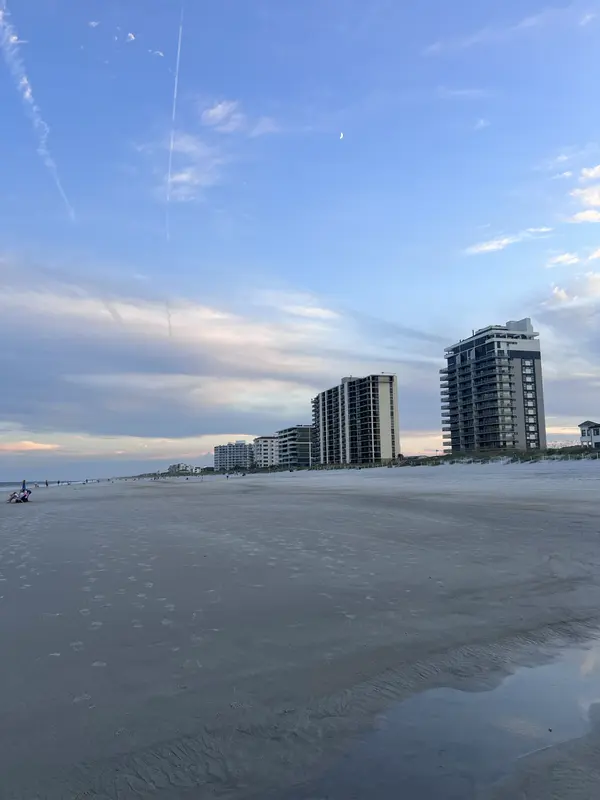
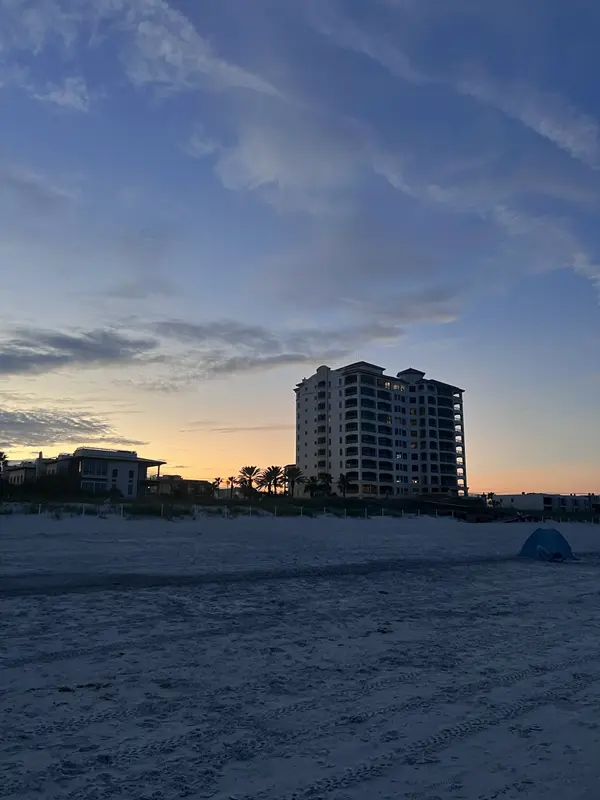
Prime Coastal & Urban Locations: Highly accessible in dense, high-demand areas like Downtown Jacksonville waterfront high-rises or oceanfront communities along Jacksonville Beach and Atlantic Beach.
-
Robust Amenities: Frequently offer amenities like pools, gated entries, fitness centers, tennis courts, etc
Cons:
-
Higher HOA Dues: Broad insurance needs and full-building upkeep result in higher, sometimes unpredictable HOA fees.
-
Stricter Lending Rules: Getting mortgage approval can be more complex. Post-2022 Florida structural safety standards mean lenders scrutinize condo association reserve funds and building inspections before approving mortgages.
-
Limited Outdoor Space: Private outdoor space is usually restricted to a small balcony or patio.
Townhomes
Pros:
-
Land Ownership & Equity growth: Owning the footprint of land beneath your unit usually leads to steady appreciation that mirrors traditional single-family homes closely.
-
Fewer Financing Hurdles: Mortgage lenders process townhomes under standard single-family underwriting guidelines, making pre-approvals faster and less complex.
-
More Residential Feel: Enjoy multi-floor layouts, private attached garages, and small fenced backyards or private patios for pets and entertaining.
Cons:
-
More Personal Upkeep: Depending on the community’s declaration documents, you may still be directly responsible for roof replacements or individual exterior repairs.
-
Stairs Required: Most townhomes span 2 to 3 levels, which might not suit buyers looking for single-level living or accessibility.
-
Variable HOA Coverage: You need to carefully read the HOA bylaws to confirm exactly where association maintenance ends and your responsibility begins.
Which Option Matches Your Lifestyle?
The Ideal Condo Buyer
-
The Lock-and-Leave Traveler: Snowbirds or frequent business travelers who want to lock the front door and head out of town without worrying about yard care or home security.
-
Urban & Beach Enthusiasts: Buyers prioritizing walking access to Riverside eateries, Southbank city views, or morning walks on Neptune Beach over space.
-
Downsizers Wanting Single-Level Living: Buyers looking to eliminate stairs completely without taking on yard work.
The Ideal Townhome Buyer
-
First-Time Homebuyers & Young Families: Buyers looking for more square footage, attached garages, and a traditional neighborhood vibe at an approachable price point.
-
Pet Owners: Buyers who want a small private lawn, patio, or courtyard for dogs without maintaining a large yard.
-
Value & Financing-Conscious Buyers: Homeowners looking for straightforward conventional, VA, or FHA financing with moderate monthly HOA expenses.
Local Jacksonville Real Estate Context
Location plays a huge role when deciding between property types across Duval and St. Johns counties:
-
Oceanfront & Urban Cores (Condo Territory): High-density areas like Jacksonville Beach, Neptune Beach, Riverside, and the Southbank urban core are dominated by condo buildings. These offer prime waterfront views and high walkability where land is at a premium.
-
Suburban Growth Corridors (Townhome Territory): In master-planned regions like Southside, E-Town, OakLeaf Plantation, and Nocatee (St. Johns County), new-construction townhome developments offer suburban amenities, top-rated schools, and attached garages.
Frequently Asked Questions
What is the main structural difference between a condo and a townhome?
A condo is typically a single-level unit inside a shared multi-story building, where you share ceilings, floors, and walls. A townhome is a multi-story residence attached side-by-side with neighbors, where you share side walls but have direct access to your ground floor and roof.
Are HOA fees higher for condos or townhomes in Jacksonville?
Condo HOA fees are generally higher because the association carries a master insurance policy covering the entire building's exterior, roof, structural components, and shared elevators or garages. Townhome fees tend to be lower since individual owners cover more of their own structural insurance.
Is it easier to get a mortgage for a townhome or a condo in Florida?
Townhomes are generally easier to finance. Lenders view townhomes under standard single-family guidelines. Condominiums must go through a building review process to ensure the HOA has sufficient reserve funding, adequate structural inspections, and a low percentage of delinquent owners.
Do townhomes appreciate faster than condos?
In many Northeast Florida markets, townhomes appreciate slightly faster than condos because ownership includes the land beneath the structure. However, prime oceanfront or waterfront condos often appreciate rapidly due to the scarcity of coastal land.
Who pays for roof repairs on a Jacksonville townhome?
It depends on the community's governing documents. In many townhome developments, the owner is responsible for replacing their own roof. In other "maintenance-provided" townhome communities, the HOA collects reserves to handle roof replacements collectively. Always review the HOA covenants prior to purchase.
Can I rent out my condo or townhome in Duval County?
Both property types allow rentals, but almost all associations enforce leasing restrictions. Common rules include minimum lease durations (such as 7 to 12 months) or caps on the total percentage of rented units in the neighborhood. Short-term rentals (like Airbnb) are strictly prohibited in most residential communities unless zoned specifically for short-term stays.
Ready to Find Your Ideal Home in Jacksonville?
Deciding between a low-maintenance condo by the beach and a spacious townhome in the suburbs comes down to your long-term financial goals and personal lifestyle priorities.
If you are exploring homes across Jacksonville, Ponte Vedra, or St. Johns County, having a local real estate expert by your side makes navigating HOA documents, structural reserve reviews, and property comparisons simple.
Reach out today to schedule your neighborhood consultation let's review current market inventory together and find the perfect low-maintenance property for your needs!
Call or text 912-614-2392 to get started
Categories
Recent Posts