
Ocean vs. Intracoastal vs. Riverfront: Which Waterfront Home Is Right for You?
Quick Summary
- Oceanfront homes offer open Atlantic views and direct beach access but carry the highest wind, salt, and insurance exposure.
- Intracoastal homes offer calmer water, private docks, and easy boating, with seawall and dock upkeep as key costs.
- Riverfront homes along the St. Johns River offer wide-open water and boating, with their own tidal and storm surge considerations.
- Dock condition, seawall integrity, flood zone, and bridge clearance should be checked before you buy any waterfront home.
What Is the Difference Between Oceanfront, Intracoastal, and Riverfront Homes?
Oceanfront homes sit directly on the Atlantic beach, Intracoastal homes sit on the protected Intracoastal Waterway behind the barrier island, and riverfront homes sit on the St. Johns River or its tributaries. Each offers a different mix of views, boating access, privacy, maintenance needs, and insurance costs.
Waterfront Types Compared
|
Factor |
Oceanfront |
Intracoastal |
Riverfront |
|---|---|---|---|
|
Water type |
Open Atlantic |
Protected tidal waterway |
Wide tidal river |
|
Best for |
Beach lifestyle, sunrise views |
Boating, fishing, calm water |
Large-water boating, open vistas |
|
Boating access |
None directly (no dock) |
Private docks common |
Private docks common |
|
Key upkeep |
Salt air, wind, dune care |
Seawall, dock, boat lift |
Seawall, dock, shoreline erosion |
|
Insurance exposure |
Highest wind and surge exposure |
Moderate to high |
Moderate to high |
|
Typical lot feel |
Narrow, deep lots with privacy |
Wider lots with water frontage |
Larger lots with long water views |
|
Typical pricing |
Highest |
Varies widely |
Varies widely |
Prices vary by specific location, and not every waterfront is the same.
Oceanfront: Open Views and Direct Beach Access
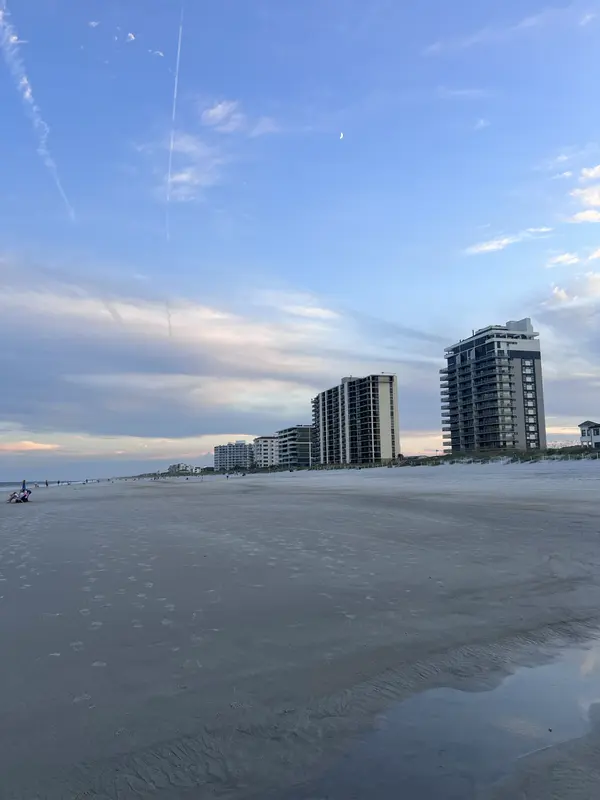
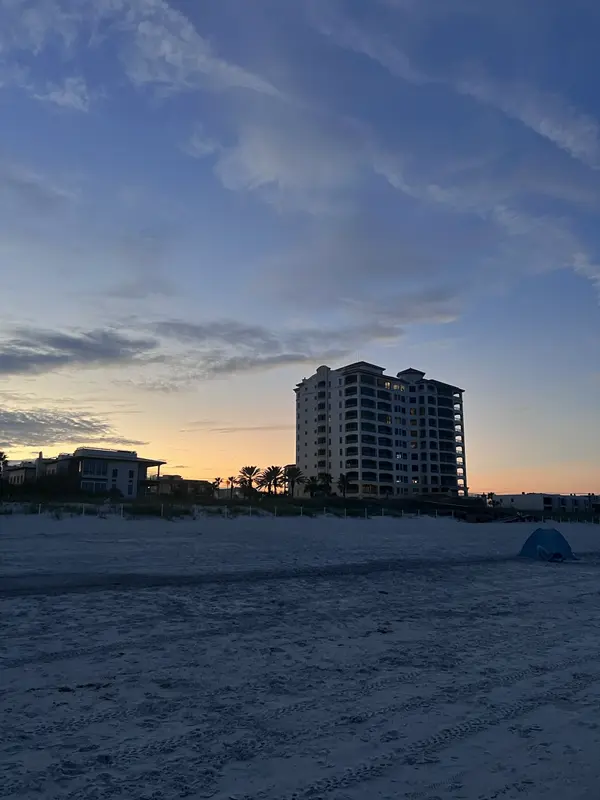
Oceanfront homes along Ponte Vedra Boulevard and parts of Jacksonville Beach, Neptune Beach, and Atlantic Beach offer sunrise views, sound of the surf, and a private path to the sand.
Consider: Salt corrosion, strong winds, coastal construction rules, and higher insurance costs.
Intracoastal: Protected Water and Private Docks
The Intracoastal Waterway runs behind the beach communities, providing a calmer boating and paddling environment. Areas such as Palm Valley and parts of Ponte Vedra and Jacksonville Beach offer homes with docks and boat lifts.
Consider: Dock and seawall condition, bridge heights, tidal changes, and no-wake or manatee-protection zones.
Riverfront: Wide-Open Water
The St. Johns River offers long vistas and expansive water for boating and sailing. Some riverfront homes carry larger lots and grand views.
Consider: Storm surge, tidal flow, shoreline erosion, and distance to the ocean via the river.
What to Inspect on Any Waterfront Home: Step by Step
Step 1: Inspect the Seawall or Shoreline
Hire a marine contractor or engineer to evaluate seawall condition, caps, tiebacks, and any signs of erosion. Seawall repair or replacement can be costly.
Step 2: Evaluate the Dock, Lift, and Pilings
Have the dock structure, decking, pilings, electrical, and boat lift inspected. Confirm that permits exist for any dock or lift.
Step 3: Check Water Depth and Access
Ask about depth at low tide, channel access, and whether your boat can reach open water. Check bridge clearance if you need to pass under fixed bridges.
Step 4: Confirm Permits and Regulations
Dock and shoreline work may require state, county, or federal approval. Ask your agent and a marine professional what is permitted.
Step 5: Review Flood Zone and Elevation
Waterfront homes often sit in high-risk flood zones. Get the elevation certificate and insurance quotes before you offer.
Step 6: Inspect the Home for Moisture and Wind Features
Schedule a general inspection, wind mitigation, roof evaluation, and moisture check.
Step 7: Plan for Long-Term Maintenance
Budget for periodic dock repairs, seawall maintenance, and salt or humidity-related wear.
Waterfront Ownership Costs to Budget
- Homeowners and flood insurance, often higher than inland
- Dock, boat lift, and seawall maintenance
- Possible permit and inspection fees
- Exterior and mechanical upkeep from salt and humidity
- Boat storage, insurance, and maintenance, if you own a vessel
Frequently Asked Questions
What is the difference between oceanfront and Intracoastal property?
Oceanfront sits directly on the Atlantic beach. Intracoastal property sits on a protected waterway behind the barrier island, typically with dock and boating access.
Are Intracoastal homes cheaper than oceanfront homes?
Generally, yes. Oceanfront homes usually command the highest prices, though luxury Intracoastal homes can also be expensive depending on lot size, views, and dock features.
Can I keep a boat at an Intracoastal home?
Often yes, if the home has a dock or boat lift and adequate water depth. Confirm permits and conditions before you buy.
How much does it cost to replace a seawall?
Costs vary widely by length, materials, and site conditions. Get an estimate from a marine contractor before you finalize a purchase.
Do waterfront homes need special insurance?
They need standard homeowners coverage, plus flood insurance, and may require additional coverage for docks and boat lifts. Ask your insurance agent about sub-limits.
Choose Your Water
Every waterfront has its own rhythm. I'm Iva Zovko, a Realtor with Keller Williams Atlantic Partners Realty, and I help buyers evaluate oceanfront, Intracoastal, and riverfront homes across Ponte Vedra Beach, Jacksonville Beach, and Atlantic Beach. [Schedule a private consultation.]
Categories
Recent Posts